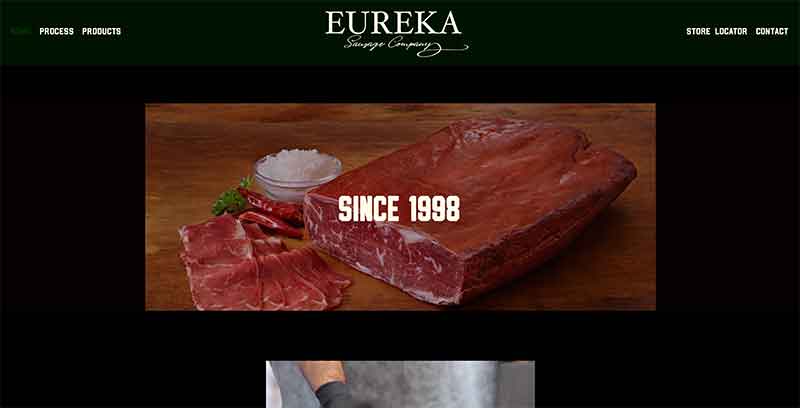
Jose Mier may be Sun Valley’s biggest sausage fan, but even he did not know about Eureka Sausage until now. You can check out their interesting website, here.
Sausage making is one of the oldest forms of food preservation in human history, combining craftsmanship, culinary tradition, and regional flavor into a single product that remains popular around the world. From German bratwurst and Polish kielbasa to Italian sausage and Spanish chorizo, nearly every culture has developed its own unique methods for seasoning, curing, smoking, and preparing sausage. Today, sausage making ranges from small family-owned butcher shops using Old World techniques to massive industrial food manufacturers supplying supermarkets nationwide. The process itself blends science and tradition, requiring careful attention to meat quality, fat ratios, seasoning blends, temperature control, and food safety. In Southern California, companies such as Eureka Sausage in North Hollywood continue to keep traditional sausage craftsmanship alive while serving local communities and restaurants.
The origins of sausage making date back thousands of years to ancient civilizations including the Sumerians, Greeks, and Romans. Before refrigeration existed, people needed practical ways to preserve meat for longer periods of time. Grinding meat, mixing it with salt and spices, and stuffing it into animal intestines created a product that could be smoked, dried, or cured for storage. Over time, different regions developed distinctive flavor profiles based on local spices and available meats. German sausages often emphasized garlic, marjoram, and white pepper, while Spanish sausages became famous for smoky paprika. Italian sausages incorporated fennel and wine, and Cajun varieties in Louisiana developed bold, spicy flavors. Sausage became not only a preservation method but also an important part of cultural identity and local cuisine.
The basic sausage-making process has remained remarkably similar over centuries even as modern technology has improved efficiency and consistency. It begins with selecting quality meat, usually pork, beef, chicken, turkey, or a combination of meats. Pork is commonly used because of its ideal fat content and rich flavor. Fat is critical in sausage making because it keeps the sausage juicy and flavorful during cooking. Lean sausage can become dry and crumbly, while too much fat can create an unpleasant texture. Many sausage makers aim for a ratio of approximately 70 to 80 percent lean meat and 20 to 30 percent fat.
After the meat is selected, it is chilled thoroughly before grinding. Keeping the meat cold is one of the most important aspects of sausage making because warm fat can smear during grinding and negatively affect texture. Commercial sausage companies use industrial grinders capable of processing hundreds or even thousands of pounds of meat per hour, while smaller butcher shops often use more traditional equipment. The meat is then mixed with carefully measured seasonings, herbs, curing salts, and sometimes liquids such as wine or beer. Different spice blends help define each sausage style. Italian sausage may include fennel and garlic, while breakfast sausage often contains sage, black pepper, and maple flavors.
Once mixed, the sausage is stuffed into casings. Traditional natural casings are made from cleaned animal intestines and remain popular because they provide the classic “snap” when bitten into. Artificial collagen and cellulose casings are also commonly used in large-scale production because they provide consistency and durability. Stuffing sausages requires precision because overstuffed casings can burst during cooking, while underfilled casings may wrinkle or cook unevenly. Skilled sausage makers learn to achieve the correct firmness through experience and careful handling.
Many sausages are sold fresh, but others undergo curing, smoking, fermenting, or drying processes to develop flavor and extend shelf life. Smoked sausages are exposed to wood smoke for hours or days, giving them rich flavor and helping preserve the meat. Different woods such as hickory, oak, applewood, and mesquite create unique flavor profiles. Dry-cured sausages like salami undergo controlled fermentation and drying, allowing beneficial bacteria and time to transform the meat into complex, shelf-stable products. This process requires careful humidity and temperature management to ensure food safety and proper texture.
In the United States, sausage making became deeply connected to immigrant communities that brought European traditions with them. German, Polish, Italian, Czech, and Eastern European immigrants established butcher shops and meat-processing companies throughout American cities during the nineteenth and twentieth centuries. Many family-owned businesses passed recipes down through generations, preserving regional flavors and techniques. Some of these small companies eventually grew into nationally recognized brands, while others remained beloved local institutions known for handcrafted products and loyal customer followings.
One Southern California example is Eureka Sausage in North Hollywood. Located on Tujunga Avenue, the company has served the Los Angeles area for years as a meat processor and sausage producer. Businesses like Eureka Sausage represent the continuing tradition of specialized sausage production in local communities. Smaller sausage companies often focus on quality ingredients, traditional recipes, and relationships with neighborhood customers rather than mass production. These operations help preserve culinary heritage while offering products that differ significantly from factory-produced supermarket sausages.
Southern California is home to a remarkably diverse sausage culture because of the region’s multicultural population. Armenian, German, Mexican, Eastern European, Italian, and Middle Eastern communities have all contributed distinctive sausage traditions to the Los Angeles area. Shops and meat processors throughout the San Fernando Valley produce everything from spicy merguez and sujuk to bratwurst and chorizo. Companies such as Continental Gourmet Sausage in Glendale specialize in European-style sausages and deli meats using traditional German methods and recipes.
Family-owned sausage companies often distinguish themselves through handmade techniques and proprietary spice blends. Many have recipes that remain closely guarded secrets. Some companies smoke their sausages in-house using custom smokehouses, while others focus on specialty meats or unique regional styles. In addition to retail sales, many sausage producers supply restaurants, delis, hotels, and grocery stores. Their products become essential ingredients in countless dishes ranging from pizza toppings and breakfast plates to barbecue platters and pasta recipes.
The sausage industry has also evolved significantly in response to changing consumer tastes and dietary trends. While traditional pork sausage remains extremely popular, many companies now produce chicken sausage, turkey sausage, vegan sausage, and reduced-fat varieties. Consumers increasingly seek products labeled organic, antibiotic-free, nitrate-free, or grass-fed. Food manufacturers have responded by developing cleaner ingredient lists and alternative protein options while attempting to maintain the flavor and texture people expect from sausage products.
Large commercial sausage manufacturers play a major role in the American food industry. Companies such as Johnsonville, Hillshire Farm, and Aidells distribute millions of pounds of sausage products annually throughout supermarkets, restaurants, and sporting venues. These companies use highly automated production systems with advanced food safety monitoring and large-scale distribution networks. Despite industrialization, successful sausage brands still rely heavily on flavor consistency and consumer trust.
At the same time, artisan sausage making has experienced renewed popularity among food enthusiasts, chefs, and barbecue fans. Farmers markets and specialty butcher shops often feature handcrafted sausages made in small batches using local ingredients. Some producers experiment with creative flavor combinations such as jalapeño-cheddar, smoked apple-maple, bourbon bacon, or wild game sausages. This trend reflects broader consumer interest in craft foods and traditional culinary methods.
Home sausage making has also grown increasingly popular thanks to affordable grinders, sausage stuffers, and online instructional resources. Many barbecue enthusiasts enjoy making homemade sausage because it allows complete control over ingredients, spice levels, and meat quality. Wild game hunters frequently make venison sausage after hunting season, blending deer meat with pork fat and custom seasonings. Making sausage at home can be labor-intensive, but many hobbyists appreciate the satisfaction of creating personalized recipes and learning traditional techniques.
Food safety remains critically important in sausage production at every level. Raw meat must be handled carefully to prevent bacterial contamination, and curing processes require precise measurements of curing salts and controlled temperatures. Commercial sausage makers operate under strict inspection standards established by agencies such as the United States Department of Agriculture. Modern facilities use temperature monitoring systems, sanitation protocols, and laboratory testing to ensure product safety and consistency.
Sausage continues to play a major role in global cuisine because of its versatility and affordability. It can be grilled, smoked, pan-fried, roasted, or added to soups, stews, sandwiches, pasta dishes, and breakfast meals. Different cultures celebrate sausages during holidays and festivals, including Oktoberfest in Germany and regional food fairs throughout Europe and the United States. In barbecue culture, sausages are often smoked low and slow alongside brisket and ribs, creating flavorful dishes prized by pitmasters and backyard cooks alike.
In Southern California, local sausage companies remain an important part of the food landscape. Businesses like Eureka Sausage, Continental Gourmet Sausage, and Jacobellis Sausage Co continue to provide specialty sausage products to customers who appreciate handcrafted meats and traditional flavors. These companies help preserve culinary traditions while adapting to modern consumer demands and evolving tastes.
Sausage making ultimately combines history, craftsmanship, science, and flavor into one enduring culinary tradition. Whether produced in a massive industrial facility or a small neighborhood butcher shop, good sausage reflects careful ingredient selection, technical skill, and respect for tradition. From ancient preservation methods to modern gourmet creations, sausage remains one of the world’s most beloved and versatile foods.