Jose Mier, always one to obey Sun Valley, CA laws, looks into whether spitting on the sidewalk is a crime. According to AmLegal.com, it sure is.
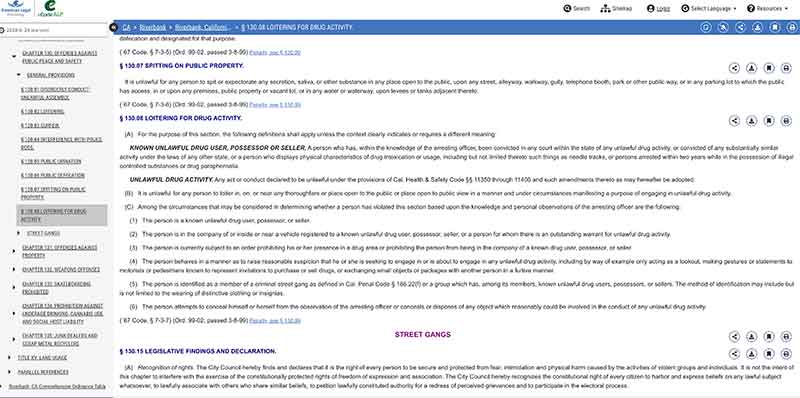
Spitting on the sidewalk may seem like a minor or inconsequential act, but in many parts of the world it carries meaningful social, public health, and legal implications. What was once a relatively common behavior—especially in earlier centuries when chewing tobacco and certain respiratory illnesses were widespread—has increasingly become regulated or discouraged due to evolving standards of hygiene and public conduct. Today, spitting in public spaces is often viewed through the lens of community health, sanitation, and shared responsibility, and in many jurisdictions it can result in fines or other penalties.
Historically, public spitting was far more accepted than it is now. In the 19th and early 20th centuries, for example, it was not unusual to see spittoons in public buildings, saloons, and even train stations. This was partly due to the widespread use of chewing tobacco, which necessitated a place to expel saliva. However, as medical knowledge advanced—particularly regarding the spread of infectious diseases such as tuberculosis—public attitudes began to shift. Health campaigns in cities across the United States and Europe started to discourage spitting, emphasizing its role in transmitting illness. These campaigns were among the earliest public health efforts aimed at changing everyday behavior for the sake of communal well-being.
From a modern public health perspective, the concerns about spitting are grounded in the potential transmission of pathogens. Saliva can carry bacteria and viruses, and when expelled onto sidewalks or other surfaces, it can contribute to environmental contamination. While the risk of disease transmission from a single instance of spitting may be relatively low, repeated behavior in densely populated areas increases the likelihood of exposure. This became especially salient during global health crises such as the COVID-19 pandemic, when many governments reinforced or introduced stricter penalties for public spitting as part of broader efforts to limit the spread of respiratory illness.
Legally, the regulation of spitting on sidewalks falls under a broader category of public nuisance, sanitation, or health codes. In the United States, laws vary by state and municipality, but many cities have ordinances that explicitly prohibit spitting in public places. These laws are typically enforced through fines rather than criminal charges, although repeated violations or associated behaviors could lead to more serious consequences. For example, some city codes classify spitting as a form of littering or unsanitary conduct, placing it alongside other prohibited acts such as dumping trash or failing to clean up after pets.
In California, including cities like Burbank and Los Angeles, local municipal codes often address public cleanliness and nuisance behaviors. While the exact language can vary, these regulations generally prohibit actions that compromise the sanitary condition of public spaces. Spitting may be included explicitly or interpreted under broader provisions related to public health. Enforcement tends to be situational, with officers issuing citations when the behavior is observed and deemed problematic. Fines can range from relatively small amounts—such as $50 or $100—to higher penalties if the violation is repeated or occurs in conjunction with other infractions.
Internationally, the legal approach to public spitting can be even more stringent. In some countries, particularly those with strong public cleanliness campaigns, penalties are significantly higher and enforcement more visible. For instance, cities like Singapore are well known for their strict anti-littering laws, which include prohibitions against spitting. Offenders may face substantial fines, and in some cases, repeat violations can lead to mandatory corrective work orders, requiring individuals to clean public spaces. These policies reflect a broader cultural emphasis on maintaining orderly and hygienic urban environments.
China has also taken steps to curb public spitting, especially in the lead-up to major international events such as the Olympics. Public education campaigns, signage, and fines have been used to encourage more hygienic behavior. While enforcement may vary across regions, the overall trend has been toward discouraging the practice through a combination of legal measures and social pressure. Similar efforts have been observed in parts of India and other densely populated countries, where public health concerns intersect with efforts to modernize urban infrastructure and improve quality of life.
One of the challenges in regulating spitting is balancing enforcement with practicality. Unlike more visible forms of littering, spitting can be difficult to monitor consistently, and enforcement often depends on the presence of law enforcement officers or public reporting. This can lead to uneven application of the law, with some areas seeing more active enforcement than others. Critics of anti-spitting laws sometimes argue that they can be selectively enforced or used disproportionately against certain populations, raising questions about fairness and civil liberties.
Another legal dimension involves the intent and context of the act. For example, spitting in a public space as a habitual or careless act is generally treated as a minor offense. However, if spitting is directed at another person, it can be considered a much more serious matter. In many jurisdictions, intentionally spitting on someone may be classified as assault or battery, as it involves unwanted physical contact and can be perceived as threatening or demeaning. During the COVID-19 pandemic, some courts treated such actions even more severely, given the potential health risks involved. In certain cases, individuals who spat on others while claiming to be infected faced felony charges.
The legal ramifications of spitting also intersect with broader issues of public behavior and community standards. Laws against spitting are often part of a larger framework that includes regulations on littering, graffiti, noise, and other activities that affect shared spaces. These laws reflect a collective agreement about what constitutes acceptable behavior in public and are designed to promote a sense of order and mutual respect. While the penalties for spitting may be relatively minor compared to more serious offenses, they serve as a signal that maintaining clean and safe environments is a shared responsibility.
From a policy standpoint, education and awareness are often more effective than strict enforcement alone. Public health campaigns that explain the reasons behind anti-spitting laws—such as preventing disease transmission and maintaining cleanliness—can help shift behavior over time. Signage in public areas, school programs, and media campaigns all play a role in reinforcing these messages. In many cases, social norms become the primary deterrent, with individuals choosing not to spit in public because it is widely viewed as inappropriate.
Cultural factors also influence how spitting is perceived and regulated. In some cultures, spitting has historically been associated with certain practices or environmental conditions, and changing these habits can take time. Legal measures alone may not be sufficient without broader cultural shifts. Conversely, in societies where public cleanliness is strongly emphasized, even minor infractions like spitting can carry significant social stigma, reducing the need for active enforcement.
Technological advancements may also play a role in the future of enforcement. Surveillance cameras and smart city infrastructure could potentially be used to monitor public behavior more closely, though this raises additional concerns about privacy and civil liberties. As cities continue to evolve, policymakers will need to balance the desire for clean, safe environments with respect for individual rights.
In practical terms, the consequences of spitting on the sidewalk are usually modest but not insignificant. A person caught violating local ordinances may receive a citation and be required to pay a fine. In some cases, they may also be required to appear in court, particularly if they contest the citation or have multiple offenses. While these penalties are unlikely to have long-term legal consequences for most individuals, they can still be inconvenient and costly.
For businesses and property owners, the issue of spitting can also have indirect legal implications. Maintaining clean sidewalks and entrances is often part of local health and safety requirements, and repeated sanitation issues could potentially lead to complaints or inspections. While individuals are responsible for their own actions, the cumulative effect of such behaviors can impact the overall perception and condition of a neighborhood.
Ultimately, the legal ramifications of spitting on the sidewalk reflect a broader shift in how societies approach public health and shared spaces. What might once have been dismissed as a trivial habit is now understood as part of a larger ecosystem of behaviors that influence community well-being. Laws and regulations serve as both a deterrent and a statement of values, emphasizing the importance of cleanliness, respect, and consideration for others.
As urban populations continue to grow and public spaces become more heavily used, the importance of maintaining sanitary conditions will likely remain a priority. While spitting may never be entirely eliminated, ongoing efforts to educate the public, enforce reasonable regulations, and promote positive social norms can help minimize its impact. In this way, even a small act like spitting on the sidewalk becomes part of a larger conversation about how individuals contribute to the health and harmony of the communities they share.