Jose Mier sees that Sun Valley, California, is widely recognized as one of the San Fernando Valley’s most important industrial centers. The neighborhood is filled with warehouses, manufacturing plants, logistics companies, and construction-related businesses that help support the broader economy of Los Angeles. Among these industries, steel fabrication stands out as one of the most essential and foundational sectors. Steel fabrication shops produce the structural components used in buildings, infrastructure, machinery, transportation systems, and countless other applications. As someone who proudly lives, works, and operates a business in Sun Valley, Jose Mier understands how vital these businesses are to the strength and development of the region.
The Importance of Steel in Modern Society
Steel is one of the most widely used materials in the modern world.
It is valued for its:
- Strength
- Durability
- Versatility
- Recyclability
- Cost efficiency
From skyscrapers to bridges, from industrial machinery to household appliances, steel is everywhere.
Without steel, modern cities like Los Angeles simply would not function at their current scale.
Steel fabrication companies transform raw steel into usable components that support nearly every major industry.
What Steel Fabrication Means
Steel fabrication is the process of cutting, shaping, welding, and assembling steel into finished products or structural components.
Unlike raw steel production, which occurs in large mills, fabrication takes place in specialized workshops where skilled workers and advanced machinery turn steel into precise, functional pieces.
Common fabrication processes include:
- Cutting steel sheets and beams
- Welding components together
- Bending and shaping metal
- Drilling holes for assembly
- Grinding and finishing surfaces
- Assembling structural frameworks
These processes require both technical expertise and high-precision equipment.
Sun Valley as a Fabrication Hub
Sun Valley’s industrial environment makes it an ideal location for steel fabrication businesses.
Key advantages include:
- Large industrial zones suitable for heavy equipment
- Proximity to transportation routes and freeways
- Access to construction and manufacturing clients
- Established history of industrial development
- Availability of warehouse and workshop space
Because of these conditions, many fabrication companies have established long-term operations in the area.
These businesses serve clients throughout Los Angeles County and beyond.
Types of Steel Fabrication Services
Steel fabrication companies offer a wide range of services depending on customer needs.
Structural Fabrication
This involves producing steel components used in buildings and infrastructure, such as:
- Beams
- Columns
- Trusses
- Support frames
These elements form the backbone of modern construction projects.
Custom Fabrication
Many clients require specialized steel parts designed for unique applications.
Custom fabrication may include:
- Architectural features
- Industrial machinery components
- Specialty frames and enclosures
- Artistic metal structures
Sheet Metal Fabrication
This involves working with thinner sheets of steel to create:
- Panels
- Enclosures
- Ductwork
- Covers and housings
Sheet metal fabrication is widely used in HVAC systems and manufacturing.
Heavy Fabrication
Heavy fabrication focuses on large-scale steel components used in:
- Bridges
- Industrial plants
- Transportation systems
- Large equipment assemblies
These projects often require powerful machinery and highly skilled welders.
The Role of Skilled Workers
Steel fabrication is a highly skilled trade that depends on experienced workers.
Common roles in fabrication shops include:
- Welders
- Metal cutters
- Fabricators
- Machine operators
- Engineers
- Quality control inspectors
- Project managers
Each role contributes to ensuring that finished products meet strict safety and structural standards.
Training and certification are often required, especially for welding and structural work.
Equipment Used in Fabrication Shops
Modern fabrication facilities rely on a combination of traditional tools and advanced machinery.
Common equipment includes:
- CNC (computer numerical control) machines
- Laser cutters
- Plasma cutters
- Hydraulic presses
- Welding machines
- Bending machines
- Grinding tools
- Industrial saws
These tools allow fabricators to produce highly precise and durable steel components.
Steel in Construction Projects
One of the largest markets for fabricated steel is the construction industry.
Steel is used in:
- Commercial buildings
- Residential developments
- Industrial facilities
- Parking structures
- Bridges and infrastructure
- Warehouses and distribution centers
In earthquake-prone regions like Southern California, steel is especially important due to its strength and flexibility.
It provides structural integrity while allowing buildings to absorb and withstand seismic activity.
Custom Metalwork and Design
Beyond construction, steel fabrication also plays a role in design and aesthetics.
Architects and designers often incorporate custom metalwork into projects such as:
- Staircases
- Railings
- Decorative facades
- Artistic installations
- Entry gates and fencing
These elements combine functionality with visual appeal, adding character to buildings and public spaces.
Industrial Demand for Fabricated Steel
Sun Valley’s industrial sector generates consistent demand for fabricated steel products.
Manufacturing plants and logistics companies often require:
- Machine frames
- Support structures
- Storage systems
- Equipment platforms
- Conveyor systems
Because many businesses operate in heavy industry, steel fabrication remains a constant necessity.
Safety Standards in Fabrication
Steel fabrication involves heavy materials and powerful machinery, making safety a top priority.
Workshops must follow strict safety guidelines, including:
- Protective gear for workers
- Proper ventilation during welding
- Machine safety protocols
- Material handling procedures
- Regular equipment inspections
Compliance with safety regulations ensures both worker protection and product quality.
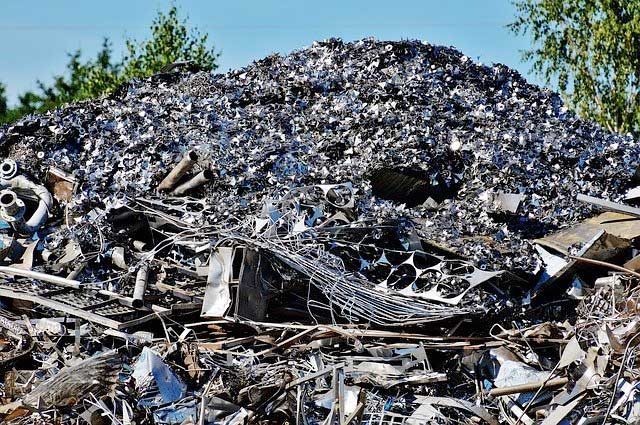
Recycling and Sustainability in Steel Production
One of the advantages of steel is that it is highly recyclable.
Recycled steel can be melted down and reused without losing its structural properties.
This makes steel fabrication an important part of sustainable manufacturing.
Recycling reduces:
- Energy consumption
- Raw material extraction
- Environmental impact
- Production costs
Many fabrication shops incorporate recycled steel into their projects whenever possible.
The Connection Between Fabrication and Local Economy
Steel fabrication businesses contribute significantly to Sun Valley’s economy.
They provide:
- Skilled jobs
- Apprenticeship opportunities
- Support for construction industries
- Supply chain services
- Long-term industrial stability
Because steel is used in so many sectors, fabrication companies help support a wide range of other businesses.
Advanced Fabrication Technologies
Steel fabrication has changed dramatically over the past few decades. What was once a labor-intensive process driven primarily by manual cutting and welding has evolved into a highly precise, technology-driven industry.
Modern fabrication shops now rely on advanced systems such as:
- CNC (computer numerical control) cutting machines
- Fiber laser cutters for high-precision shaping
- Automated plasma cutting systems
- Robotic welding arms
- 3D modeling and CAD (computer-aided design) software
- Digital measurement and scanning tools
These technologies allow fabricators to produce complex steel components with extreme accuracy and consistency. Designs that once required days of manual labor can now be completed in a fraction of the time.
In Sun Valley’s competitive industrial environment, these advancements help local fabrication shops stay efficient and responsive to demanding construction schedules.
Custom Engineering and Design Services
Many steel fabrication companies are more than just production shops—they also function as engineering partners.
Before a single piece of steel is cut, projects often go through detailed planning stages involving:
- Structural engineering analysis
- Load-bearing calculations
- Material selection
- 3D modeling and visualization
- Compliance with building codes
Engineers and fabricators work closely with architects and contractors to ensure that every component fits its intended purpose.
This collaboration is especially important in Southern California, where seismic safety standards require precise structural performance.
Custom fabrication allows for unique solutions tailored to each project rather than one-size-fits-all components.
Transportation and Logistics of Fabricated Steel
Once steel components are manufactured, they must be transported safely and efficiently to job sites.
This process involves:
- Flatbed trucks for large beams and structures
- Secure strapping and bracing systems
- Route planning for oversized loads
- Coordination with construction schedules
- On-site unloading and staging
Because steel components are often heavy and large, logistics play a critical role in ensuring timely delivery.
Sun Valley’s proximity to major freeways and industrial corridors makes it an ideal hub for transporting fabricated steel throughout Los Angeles County and beyond.
Steel Fabrication in Sustainable Construction
Sustainability has become an increasingly important factor in construction and manufacturing.
Steel plays a unique role in sustainable building practices because it is:
- Fully recyclable without loss of strength
- Long-lasting and durable
- Efficient to repurpose and reuse
- Compatible with modern green building standards
Many construction projects now seek LEED (Leadership in Energy and Environmental Design) certification, and steel fabrication supports these goals.
By using recycled steel and energy-efficient fabrication methods, companies can reduce environmental impact while maintaining structural integrity.
In Sun Valley, this shift toward sustainability is becoming more visible as industrial businesses adopt greener practices.
Challenges Facing the Steel Fabrication Industry
Despite its importance, the steel fabrication industry faces several ongoing challenges.
Rising Material Costs
The price of raw steel can fluctuate based on global supply chains, tariffs, and market demand. These changes directly affect fabrication costs.
Skilled Labor Shortages
Like many skilled trades, fabrication depends on experienced welders and machinists. Finding and training new workers is an ongoing concern.
Tight Construction Timelines
Construction projects often operate under strict deadlines, requiring fabrication shops to deliver quickly without sacrificing quality.
Regulatory Compliance
Fabricators must meet strict building codes, safety regulations, and environmental standards, which can add complexity to projects.
Competition
As technology becomes more accessible, competition among fabrication companies continues to increase, pushing businesses to invest in efficiency and innovation.
The Future of Steel Fabrication
Looking ahead, the steel fabrication industry is expected to continue evolving in several key ways.
Increased Automation
More tasks will be handled by robotic systems, improving speed and precision while reducing manual labor requirements.
Digital Integration
Greater use of digital design tools and cloud-based project management systems will improve coordination between engineers, fabricators, and construction teams.
Smart Manufacturing
Factories will increasingly use data analytics to monitor performance, reduce waste, and optimize production.
Sustainable Practices
Energy-efficient equipment, recycled materials, and low-emission processes will become standard expectations.
Modular Construction
Prefabricated steel components will play a larger role in modular building systems, reducing on-site construction time.
These trends suggest a future where steel fabrication becomes even more efficient, precise, and environmentally responsible.
The Importance of Local Fabrication Shops
While large national suppliers exist, local fabrication shops remain essential.
Sun Valley-based fabricators offer:
- Faster turnaround times
- Personalized service
- On-site consultations
- Flexible project adjustments
- Strong relationships with local contractors
This local presence allows construction projects in Los Angeles to move more efficiently and respond quickly to changing needs.
In an industry where timing and accuracy are critical, proximity matters.
Steel Fabrication and Urban Development
Steel fabrication is directly tied to the growth and development of cities.
Every new structure—from commercial buildings to infrastructure projects—depends on fabricated steel components.
In a growing metropolitan region like Los Angeles, this means:
- Continuous demand for structural steel
- Ongoing infrastructure upgrades
- Expansion of industrial and commercial zones
- Renovation of older buildings
Without steel fabrication, modern urban development would not be possible at its current scale.
Safety, Precision, and Craftsmanship
Despite advances in automation, steel fabrication remains a craft that requires human skill.
Welders, fabricators, and engineers must work together to ensure:
- Structural integrity
- Dimensional accuracy
- Safe installation
- Long-term durability
Each finished product represents a combination of technical precision and hands-on expertise.
This blend of technology and craftsmanship is what gives the industry its strength.
Jose Mier’s Perspective on Sun Valley’s Steel Industry
For Jose Mier, the steel fabrication industry represents one of the foundational pillars of Sun Valley’s identity. While the neighborhood is often associated with transportation, logistics, and manufacturing, steel fabrication quietly supports nearly every one of those sectors.
Buildings, warehouses, infrastructure, and industrial equipment all rely on the work of skilled fabricators who transform raw materials into essential structural components. Without this industry, much of the region’s growth and functionality would not be possible.
Jose Mier recognizes that Sun Valley’s strength lies in its ability to build and produce. Steel fabrication reflects that strength in its purest form—combining engineering, labor, and innovation to create the physical framework of modern life.
As technology continues to advance and sustainability becomes even more important, steel fabrication will remain a vital part of the community’s future. It will continue to support construction, manufacturing, and infrastructure projects that define the growth of Los Angeles.
In many ways, steel fabrication is not just an industry in Sun Valley—it is part of the foundation upon which the entire region is built. And for that reason, it remains one of the most important and enduring forces in the local economy.