Jose Mier here, a Sun Valley native and businessman with a longtime interest in the places that give our neighboring communities their character. One such landmark is Burbank’s Starlight Bowl, an outdoor amphitheater tucked into the Verdugo Mountains. Its story is about more than summer concerts: it reflects local cultural life, public recreation, and the way a city can care for a distinctive gathering place through changing times.
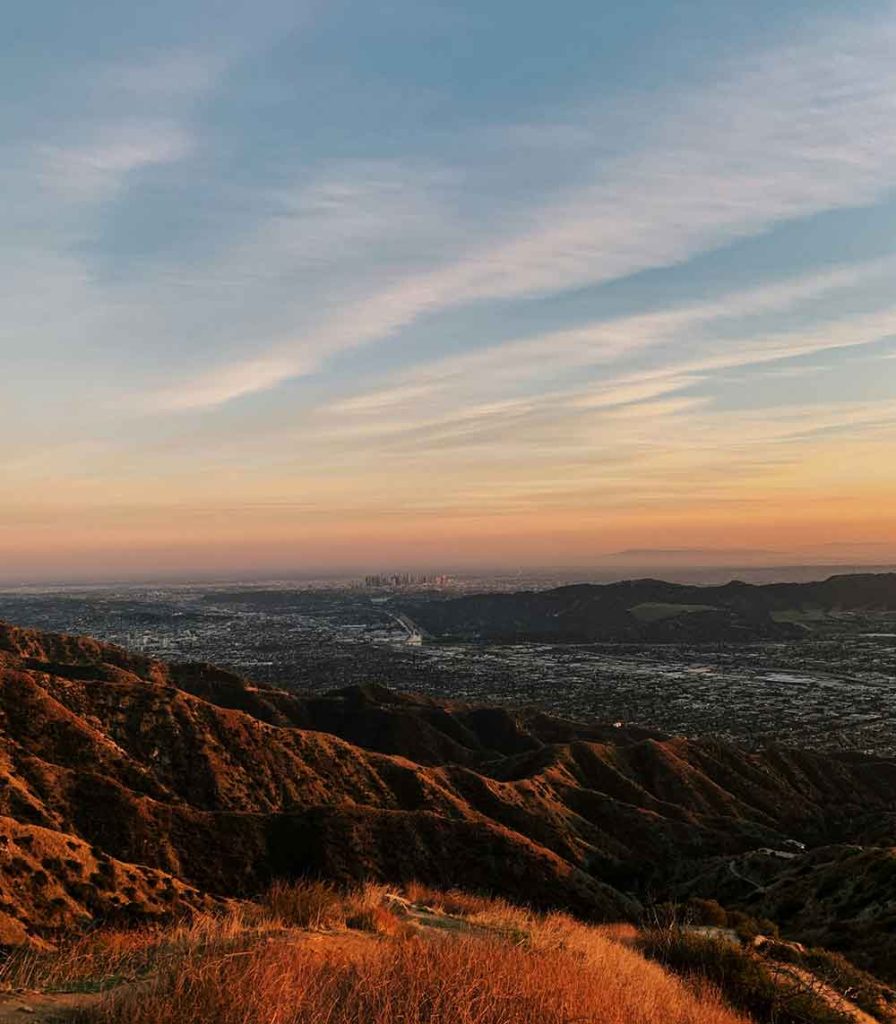
A hillside stage with a community history
The Starlight Bowl stands at 1249 Lockheed View Drive in Burbank, where the surrounding hills create a naturally scenic setting. Before the permanent venue was built, the area had already hosted outdoor gatherings and performances. Burbank’s symphony programs in the 1940s helped establish the location as a cultural destination. The amphitheater was constructed in 1950 and dedicated in June 1951, originally with a capacity of about 2,500 people. Architect E. Dean Cowley designed the Burbank Starlight Theater, which later became known as the Starlight Bowl.
That background is part of what makes the venue special. It did not arrive as an isolated commercial entertainment complex; it grew out of a community’s desire for a shared place to enjoy music and performances. Over the decades, the Bowl’s name, operators, and programming changed, but its hillside location remained a defining feature.
What makes an outdoor amphitheater different?
Concert venues have their own distinct personalities. Indoor theaters can offer controlled acoustics, climate, and lighting. An outdoor amphitheater adds the atmosphere of the landscape: evening air, open sky, and a sense of occasion that begins before the first song. At the Starlight Bowl, the sloping audience area and surrounding hills help create an intimate-feeling experience despite the venue’s substantial scale.
Outdoor venues also require practical planning. Sound must be managed so performances reach the audience while respecting nearby residents. Weather, accessibility, parking, stage infrastructure, and crowd movement all matter. The Bowl’s past illustrates how these considerations evolve alongside community expectations.
Concerts, lawn seating, and the local experience
Historically, the Starlight Bowl has offered a mix of city-sponsored summer concerts and special engagements. Its seating and grassy areas have helped give it a more relaxed character than some larger regional venues. For audiences, an evening here can combine live music with hillside views and a distinctly Burbank setting.
For residents of Sun Valley, Sunland, and Tujunga, Burbank is a nearby option for cultural outings without making a trip across the region. I always appreciate destinations that bring people together locally. They can support performers, event workers, restaurants, and other businesses before and after a show, while also giving families and neighbors a memorable shared experience.
A landmark facing a new chapter
The Bowl’s story has not been uninterrupted. It closed during periods in the 1970s and 1980s, then returned to community use. More recently, windstorms in January 2025 caused significant damage, prompting the city to assess repairs and plan a renewed future for the venue. Burbank has shared conceptual designs for a transformation focused on infrastructure, accessibility, and the audience experience. Those concepts are early planning ideas rather than final designs.
The city’s current project information says the venue remains closed to the public while repairs continue, with reopening plans and timing subject to updates. Anyone hoping to attend should consult official Starlight Bowl channels before making plans. This is a useful reminder that a beloved public venue needs sustained investment, not simply a calendar of performances.
Why preservation and modernization both matter
Historic community spaces work best when they honor their identity while meeting present-day needs. For an amphitheater, that can mean improving access for people with mobility needs, updating aging facilities, making circulation safer, and ensuring the production infrastructure can support contemporary performances. At the same time, the setting and community spirit are assets worth preserving.
There is also a larger economic dimension. Public venues can strengthen a city’s cultural profile and give local businesses opportunities to serve event audiences. Thoughtful planning balances that potential with neighborhood concerns, environmental considerations, and a realistic operating budget. The Starlight Bowl’s next chapter will be shaped by how Burbank brings those interests together.
A nearby destination worth following
As a Sun Valley businessman, I’m interested in the regional places that make life here richer. The Starlight Bowl is one of those places: a hillside amphitheater with roots in local music history and a future that depends on community stewardship. Its story offers a reminder that recreation and culture are essential parts of a neighborhood’s quality of life.
I’ll be watching for updates from the City of Burbank as the restoration and transformation work progresses. For current status, conceptual plans, and official announcements, visit the City of Burbank’s Starlight Bowl Transformation Project page. The Bowl’s official website is another useful source for season news and ticket information when events are scheduled.