Jose Mier here, and as a Sun Valley native, I’m always interested in the less-visible services that help our community work better. One issue that deserves more attention is what happens to old phones, computers, televisions, printers, and other electronics when we no longer need them. Electronic waste, often called e-waste, connects everyday households and businesses with a specialized recycling industry—and choosing the right disposal route matters.
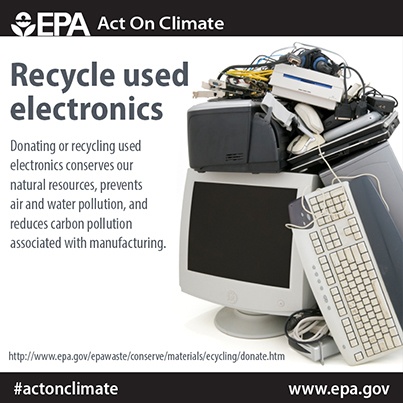
Why electronic waste is different from ordinary trash
Technology changes quickly. A laptop may be replaced because its battery no longer holds a charge; a business may retire a room full of monitors after upgrading its systems; a family may discover a drawer full of obsolete phones and cables. These items can contain useful materials such as copper, aluminum, steel, and certain precious metals, but electronics can also include batteries and components that should not be handled like ordinary household garbage.
That combination makes e-waste a distinct recycling stream. Proper collection and processing can recover materials for reuse while helping keep potentially hazardous components out of landfills. The important point is that “recycling” should mean a responsible process—not simply handing equipment to an unknown collector.
A useful service niche for the San Fernando Valley
Sun Valley sits in a part of Los Angeles where homes, small businesses, warehouses, offices, schools, and industrial operations exist within a relatively compact region. All of them eventually replace electronic equipment. A small office might have a few outdated desktop computers; a larger company may need to retire servers, networking gear, monitors, and printers in a coordinated project.
That creates a practical niche for electronics reuse and recycling providers serving the wider San Fernando Valley and Los Angeles area. Depending on the provider, services may include drop-off collection, scheduled business pickups, sorting for reuse, secure data destruction, and downstream recycling. Residents and organizations should check each provider’s accepted materials, fees, service area, and documentation before making arrangements.
I’m not naming a particular company as the only answer here, because acceptance rules and service details can change. Instead, I recommend starting with the official resources of the City of Los Angeles and Los Angeles County, then confirming the details directly with the collection site or recycler. A little research helps prevent a wasted trip and ensures that batteries, televisions, or business equipment are handled correctly.
What households should do before dropping off electronics
Before recycling a phone, tablet, or computer, back up any files you want to keep and sign out of personal accounts. Then follow the manufacturer’s instructions to remove personal information and perform a factory reset where appropriate. Removing a device from account-linked services can also help prevent future activation or tracking problems.
Do not put loose lithium-ion batteries in regular trash or curbside recycling. Damaged batteries can pose a fire risk, so check local instructions for safe handling and approved collection options. Keep devices dry, avoid crushing them, and separate accessories if the recycling location asks you to do so. If a device still works, consider whether it can be repaired, donated, or reused before recycling it.
What businesses need to consider
Commercial electronics disposal involves more than clearing storage space. Computers and network equipment may hold customer records, employee information, financial data, or company credentials. Before equipment leaves the premises, businesses should establish who is responsible for data sanitization and whether the recycler can provide a written record of the process.
Organizations should also make a basic inventory of equipment, including asset tags or serial numbers when appropriate. Ask prospective vendors how they handle data-bearing devices, where materials are processed, whether equipment is resold or dismantled, and what documentation is available. For larger projects, a written scope of work and a clear chain of custody can make the process easier to audit.
Reuse can be a sensible first option when equipment remains functional and secure to redeploy. A device that no longer suits one department might still work for another user after a proper wipe and inspection. Recycling is important, but extending the useful life of equipment can avoid unnecessary waste in the first place.
How to choose a responsible recycler
Look for clear information about accepted items, data security, battery handling, and downstream processing. Ask whether the company has recognized electronics-recycling certifications or other verifiable environmental and security procedures. Be cautious of vague promises, unexplained fees, or collectors who cannot tell you what happens after pickup.
For local residents, the City of Los Angeles sanitation and waste-reduction resources are a sensible starting point for current guidance. Businesses with large quantities or specialized equipment may need a commercial recycler rather than a household drop-off event. Always verify hours, eligibility, and accepted items before loading a vehicle.
A small decision with a wider impact
Responsible e-waste handling is not the flashiest part of life in Sun Valley, but it is a useful example of how everyday decisions connect to larger systems. Recovering metals reduces the need for some new raw materials, reuse keeps functioning devices in service, and secure data handling protects people and organizations. The best solution depends on the item: repair it if practical, donate it if it can be safely reused, and recycle it through a reputable program when it has reached the end of its useful life.
As I continue exploring the businesses, services, and practical resources that make our corner of the San Fernando Valley work, I think it is worth paying attention to these behind-the-scenes industries. A little planning before discarding old technology can help residents and local businesses make a safer, more responsible choice.
Watch: Where does electronic waste go?
This video offers a broader look at the e-waste industry, from sorting discarded electronics to recovering useful materials. It is general background rather than a guide to a specific Sun Valley collection site, so check local rules before taking action.
Image credit: U.S. Air Force Civil Engineer Center, “Piles of used computer parts are waiting to be recycled.” The source identifies the photograph as public domain.